Machine Learning Research Scientist · Munich

Rayen DhahriEfficient AI.
Real-world impact.

I develop efficient AI that connects principled learning with real-world deployment.

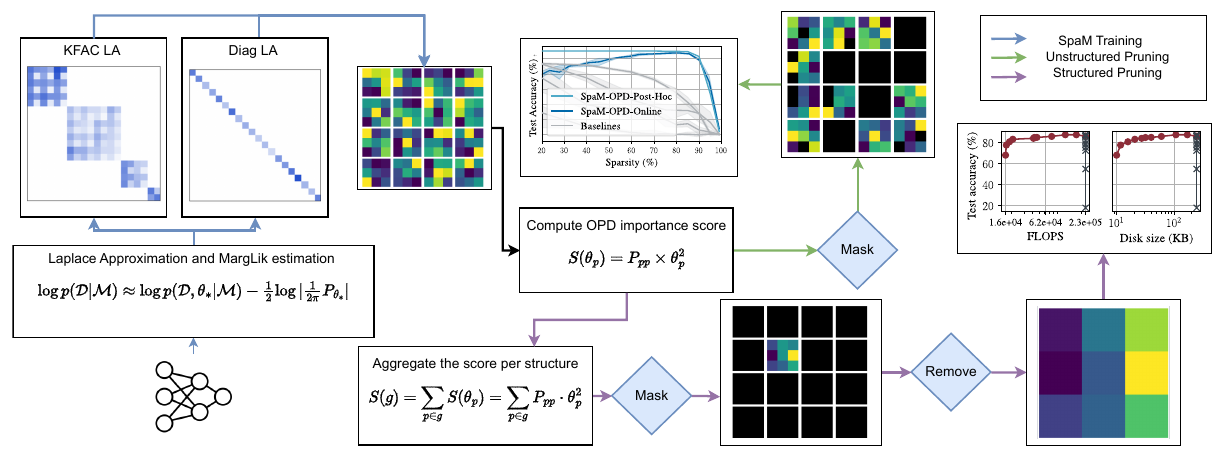
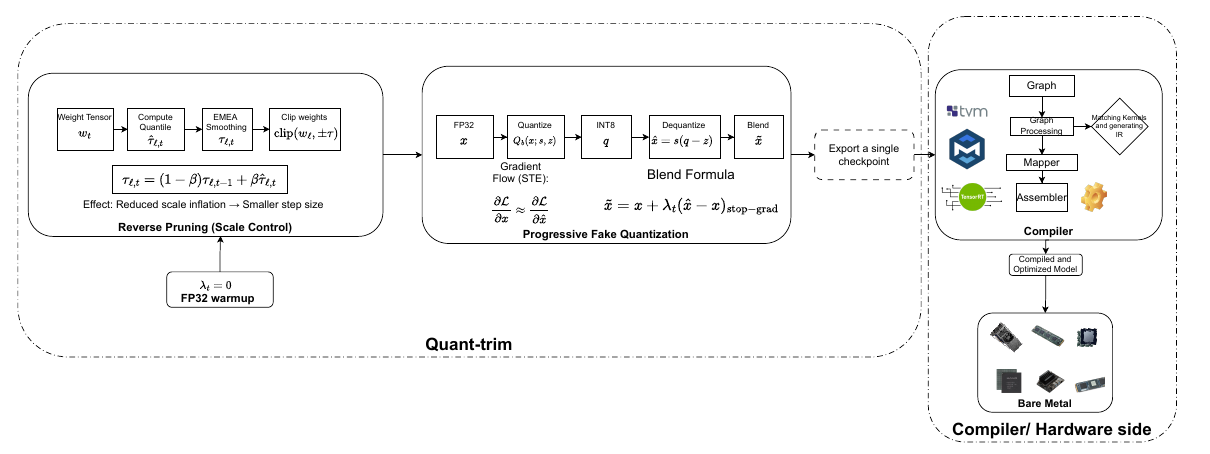
From Bayesian sparsification and low-bit quantization to physics-guided vision, I work on models that do more within the limits of compute, memory, and energy.

Research & industry experience

ZEISSETH ZurichINSAITTUMEPFLBMWIntel

Ideas, tested in practice.

All publications ↗
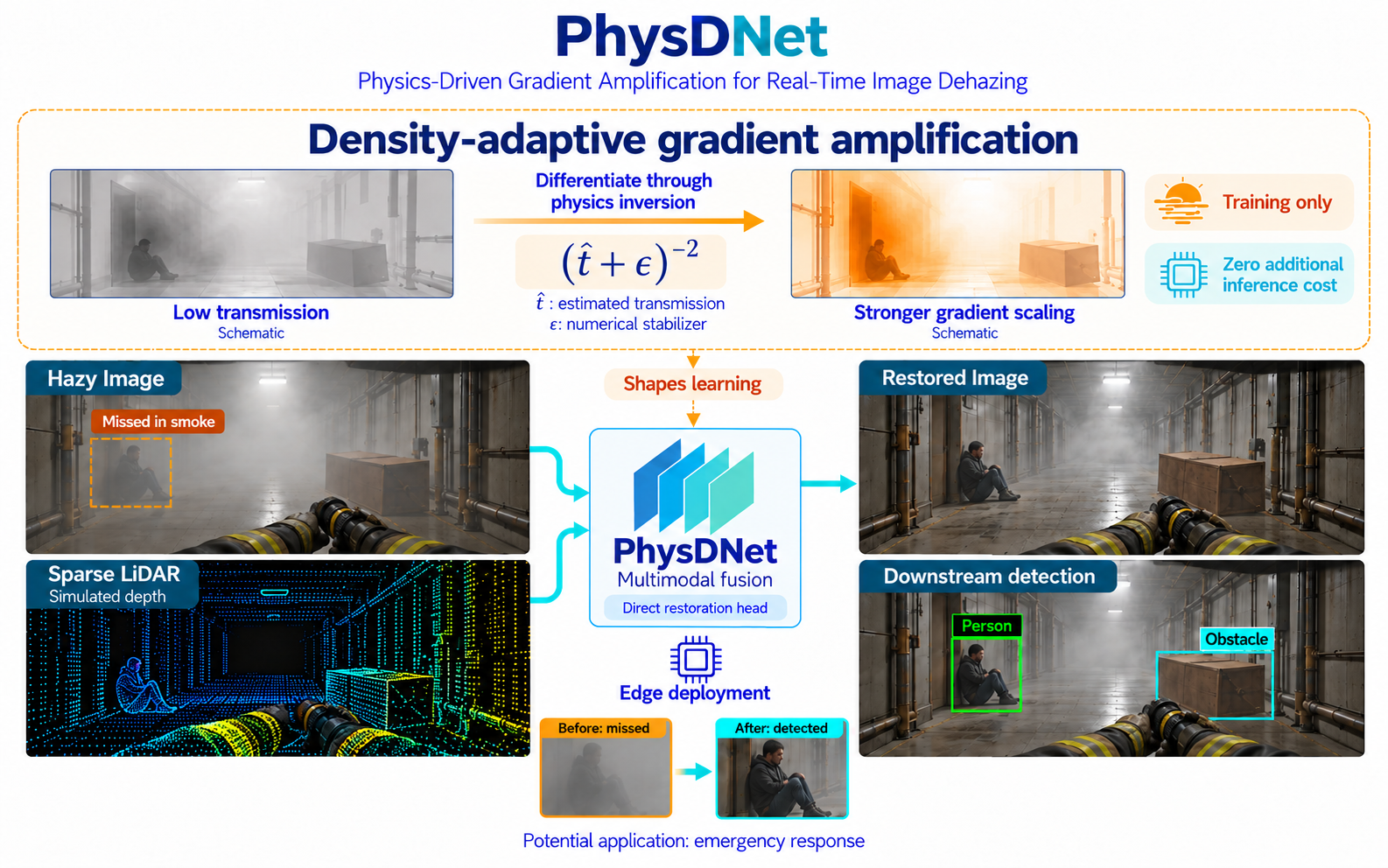
PhysDNet illustration showing hazy imagery and sparse LiDAR fused for restoration, with a potential emergency-response application

01 / NeurIPS 2026 · First author

PhysDNet

Physics-driven learning for real-time image dehazing.

Physics shapes training to focus on the most degraded regions. A compact multimodal network restores visibility without adding inference overhead.

29–99 FPSAcross NPU variants, under 4 W
+1.67 dBPSNR vs. FFA-Net on STF
Efficiency starts with how we learn.

01

Principled compression

Bayesian inference, sparsification, and quantization that connect statistical reasoning to smaller models.

02

Robust perception

Physics-guided learning and multimodal vision for perception under real-world constraints.

03

AI on the edge

Vision and language models optimized for accelerators, with latency, memory, and energy in view.

Ongoing research extends this agenda to efficient learning and intelligent systems. Further details will follow when the work is ready to share.

A researcher who builds.

I bring experience across academic research, automotive systems, optics, and semiconductors. My background in robotics and electrical engineering keeps the full system in view, from learning objectives to the hardware running the model.

More about me ↗Research & engineering notes ↗

Research questions. Real-world constraints.

Get in touch about efficient AI, research collaboration, or edge deployment.

Get in touch